
Understanding Digital Fatigue: Signs You Need a Tech Break
Physical Symptoms of Digital Overload
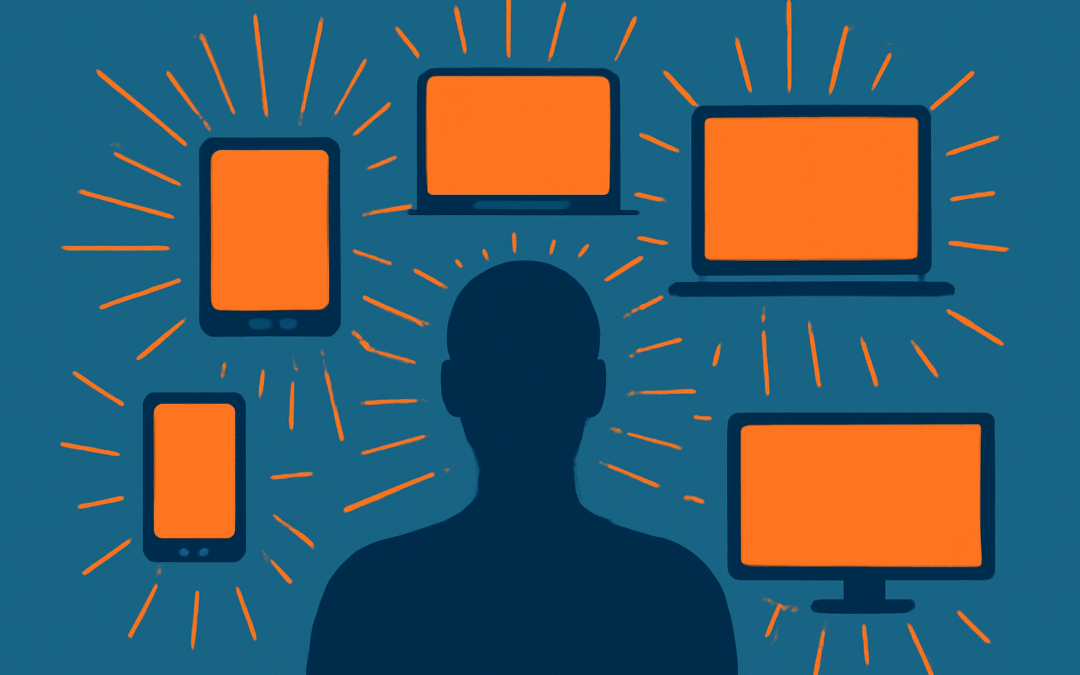
Our bodies weren’t designed for constant screen interaction, and they’re sending clear distress signals. Most adults now spend over 11 hours daily consuming digital media, with physical consequences mounting.

“Tech neck” has become increasingly common as we hunch over devices, creating tension patterns that radiate from the neck into the shoulders and upper back. Many people report chronic pain that doesn’t resolve with regular stretching, as the damaging posture continues day after day.
Perhaps most concerning is sleep disruption. The blue light emitted from screens interferes with melatonin production, making it harder to fall asleep even hours after putting devices away. According to Harvard Health researchers, this disruption affects not just sleep quality but also next-day cognitive performance and mood regulation.
Psychological Impact of Constant Connectivity
Digital overload doesn’t just affect us physically—it fundamentally alters how our brains function. Constant notifications and device-switching have trained our attention spans to fracture. Many people now struggle to focus on single tasks for more than a few minutes before feeling the urge to check devices.
Social media creates particular psychological strain through what psychologists call “social comparison.” Scrolling through curated highlights of others’ lives triggers feelings of inadequacy and anxiety. Research from the American Psychological Association shows this can lead to genuine isolation despite apparent connectivity.
The sheer volume of information we process daily leads to decision fatigue—a state where our mental energy becomes so depleted that decision-making quality deteriorates. This explains why many people feel mentally exhausted despite physically sedentary days.
Recognizing When You Need a Digital Detox
You might need a digital break if you find yourself checking your phone during meals, conversations, or even intimate moments. This compulsive checking behavior often happens unconsciously—many people unlock their phones over 150 times daily without specific purpose.
Another warning sign is diminishing returns on digital time. If you’re spending more hours online but accomplishing less, digital fatigue has likely set in. Psychology Today identifies this productivity paradox as a key indicator of tech overload.
Perhaps most telling is feeling disconnected from your physical environment and relationships. When real-world experiences seem less vivid than digital ones, or when in-person conversations feel more taxing than texting, it’s time to reset your connection priorities.
The Science Behind Spa Treatments and Stress Reduction
Touch Therapy and the Parasympathetic Response
When you receive a massage during a spa treatment, something remarkable happens in your body. Your parasympathetic nervous system—often called the “rest and digest” system—kicks into gear, directly counteracting the “fight or flight” response triggered by constant digital notifications and screen stress.
This isn’t just a feeling of relaxation—it’s biochemistry at work. During massage therapy, your brain releases oxytocin (the bonding hormone) and dopamine (the pleasure chemical), creating a natural high that technology simply can’t replicate. These neurochemicals wash away the agitation caused by endless email checking and social media scrolling.
What’s particularly impressive is how quickly this happens. Research shows that even a 15-minute massage can reduce cortisol levels by up to 30%, directly fighting the stress hormone that builds up during hours of digital engagement.
Hydrotherapy Benefits for Technology-Induced Tension
The hunched shoulders from laptop use, strained wrists from texting, and neck pain from looking down at devices create a constellation of physical issues that hydrotherapy uniquely addresses.
Water immersion therapy—whether in hot tubs, mineral baths, or therapeutic pools—reduces pressure on sore joints while the water’s natural resistance gently works tight muscles. The weightlessness experienced in water gives your body a rare break from the physical strain of device postures.
Contrast therapy, which alternates hot and cold treatments, does something screens never can—it improves circulation throughout your entire body. This increased blood flow delivers oxygen to brain tissues that have been depleted during digital overuse, restoring mental alertness without caffeine or notifications.
Studies have found that flotation therapy—where you float in a sensory-deprivation environment—can be particularly effective at countering digital overstimulation by giving your sensory processing systems a complete reset.
Aromatherapy and Sensory Recalibration
Your screen-fatigued brain responds instantly to essential oils. Unlike visual stimuli that require complex processing, scents travel directly to your limbic system—the emotional center of your brain.
Lavender, chamomile and bergamot have been scientifically proven to reduce anxiety levels by slowing heart rate and lowering blood pressure. These natural compounds work as a perfect antidote to the artificial stimulation of digital environments.

The multi-sensory environment of a spa—combining touch, smell, sound, and sometimes taste—helps reset attention pathways that have become fragmented by endless scrolling and tab-switching. Your brain, designed to process integrated sensory experiences, finds relief in this holistic approach that screens simply cannot provide.
Creating the Ultimate Digital Detox Spa Experience
Selecting the Right Spa Environment for Disconnection
Finding the perfect spa for your digital detox starts with understanding the spectrum of tech-free options. Some spas offer designated device-free zones where phones and laptops are prohibited, while others create complete digital silence facilities where all electronics are surrendered upon arrival. According to digital wellness experts, the latter provides the most profound disconnection experience, eliminating even the temptation to check devices.
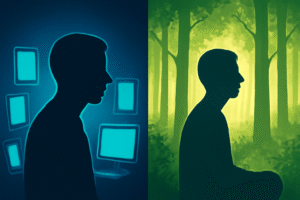
Nature-integrated spas add another dimension to digital detox by reconnecting you with the natural world. These facilities often feature outdoor treatment rooms, forest bathing paths, or oceanfront meditation spaces that naturally draw your attention away from digital cravings. The contrast between natural sensory input and digital stimulation helps your brain recalibrate more effectively.
Before booking, carefully review the spa’s technology policies. Look for places that actively promote mindfulness rather than just restricting devices. The best detox spas offer structured alternatives to digital engagement—like guided nature walks, art therapy, or stargazing—rather than simply creating a tech vacuum.
Optimal Treatments for Digital Detoxification
Targeted manual therapies can address physical symptoms of tech overuse. Specialized “tech neck” massages focus on the cervical spine and shoulders, areas that tighten from looking down at screens. Similarly, hand therapies can relieve the strain of “texting thumb syndrome” and wrist tension from keyboard use, as wellness researchers have documented.
Screen time affects your skin and eyes too. Blue light exposure and constant squinting contribute to premature aging and eye fatigue. Facials incorporating antioxidants and anti-inflammatory ingredients can help repair screen-related damage, while eye treatments with cucumber, chamomile, or special cooling masks reduce puffiness and strain.
The most effective digital detox treatments combine physical therapy with mindfulness. Guided meditation during massage or body wraps helps quiet the mental chatter that often persists even after devices are gone.
Creating Intentional Disconnection Rituals
Leading wellness spas now incorporate formal device surrender ceremonies where guests symbolically place their phones in beautiful boxes or bags. This ritual marks the psychological boundary between connected and disconnected states.
Between treatments, digital wellness programs increasingly include journaling exercises to help guests process their relationship with technology. Writing about digital dependency feelings can reveal insights about triggers and emotional attachments to devices.
Duration Considerations for Effective Reset
Research suggests at least four hours of complete disconnection are needed for meaningful neurological rest.
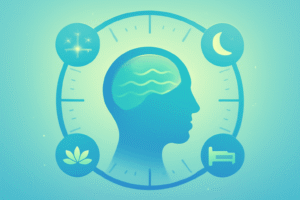
For those highly dependent on technology, progressive disconnection plans work best. These start with shorter, structured breaks before building toward longer periods unplugged.
Beyond the Spa: Extending Your Digital Detox Benefits
Transitioning Back to Technology After Your Spa Detox
The blissful disconnection you experienced during your spa day doesn’t have to end when you walk out the door. The key is creating a thoughtful re-entry strategy. Start by modifying your notification settings before even turning your phone back on. Silence all but essential alerts from close family or critical work contacts
“Most professionals spend 28% of their workday managing email,” according to Harvard Business Review research. Combat this by setting specific times to check messages – perhaps 10am, 2pm and 5pm – rather than responding to every ping.
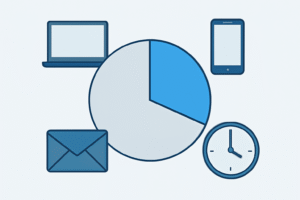
Time-blocking creates firm digital boundaries. Schedule tech-free blocks in your calendar for meals, exercise, and family time. Treat these appointments with the same respect you’d give any important meeting. Try the 20-20-20 rule when working: every 20 minutes, look at something 20 feet away for 20 seconds to reduce eye strain.
When you do reconnect, practice mindful engagement. Ask yourself: “Do I need to check this now?” before reaching for your device. This simple pause can prevent automatic scrolling habits from resurging.
Incorporating Mini-Detox Practices at Home
Create regular device-free time blocks paired with simple DIY spa elements. A 15-minute aromatherapy bath with phones banned from the bathroom can become a nightly ritual. National Geographic’s digital wellness experts recommend establishing tech-free zones in your home, particularly the bedroom and bathroom.
Design sensory-rich environments that naturally discourage device use.

Implement a bedroom detox protocol: no devices an hour before sleep, and charge phones outside the bedroom. Replace your morning scroll with five minutes of stretching or journaling.
Building a Sustainable Digital Wellness Routine
Alternate between high and low-tech days. Perhaps Saturdays become your “analog day,” while Wednesday evenings are tech-free zones. This creates a rhythm your brain can adapt to over time.
Monthly spa or massage appointments serve as digital reset anchors in your calendar. Psychology research suggests that scheduling regular breaks from technology significantly reduces stress and improves focus when you do use devices.
Find an accountability partner to maintain tech-life balance. Share goals like “no phones during dinner” or “device-free Sundays” and check in weekly. Having someone to report to increases follow-through by nearly 65%.
Measuring the Impact of Your Digital Detox Spa Experience
Physiological Changes to Monitor
After your spa digital detox, pay attention to how your body responds. Many guests report significant improvements in sleep quality within just 48 hours of disconnecting. You can track these changes using a sleep journal or non-wearable sleep monitors that won’t tempt you back into the digital world. Research published in Frontiers in Psychology shows that reducing screen exposure before bedtime increases melatonin production, helping you fall asleep faster and enjoy deeper sleep cycles.
Those nagging tension headaches and persistent eye strain often diminish noticeably after a proper digital detox spa experience. Keep track of how frequently these symptoms occur in the weeks following your detox compared to before. Many people find that even a single day of intentional disconnection can reduce these physical symptoms for several days afterward.
Heart rate variability (HRV) offers another concrete way to measure your body’s recovery from digital stress. Higher HRV readings indicate better stress resilience and parasympathetic nervous system function.

Cognitive and Emotional Benefits to Observe
Watch for changes in your ability to focus on single tasks without the urge to check notifications. Many digital detox participants notice they can work deeply for 25-90 minutes without interruption after their spa experience, compared to just 3-5 minutes before. This improvement in attention span translates directly to increased productivity and job satisfaction.
A successful digital detox typically reduces anxiety and FOMO significantly. Notice if you feel less compelled to check social media constantly or worry less about missing online updates. Studies examining digital abstinence show reduced anxiety levels persist when people establish healthier boundaries with their devices following a detox period.
Creative thinking often blooms in the absence of digital distraction. Many people report breakthrough ideas during or shortly after their spa detox. Keep a notebook handy to capture these insights as your mind makes new connections freed from the constant interruption of notifications.
Relationship and Productivity Improvements
The quality of your in-person interactions typically improves dramatically post-detox. Family members and friends often comment on increased eye contact, better listening, and more meaningful conversations. This heightened connection correlates directly with reduced phone use during social interactions.
When you do return to necessary digital tasks, you’ll likely notice improved efficiency. Tasks that previously took hours might now require just 30-45 minutes of focused attention. Many people report being able to process emails in batches rather than responding reflexively throughout the day.
Perhaps most importantly, your sense of presence and engagement with your immediate environment often transforms after a digital detox spa experience.
Recent Comments